· Programming · 8 min read
Every Niche Needs a MAP
The future of fitness is niche. The argument is right. But a niche without levels is still generic. Here's the piece missing from the conversation.
The future of fitness is niche. That's the argument running through gym-business circles right now, and it's the right diagnosis.
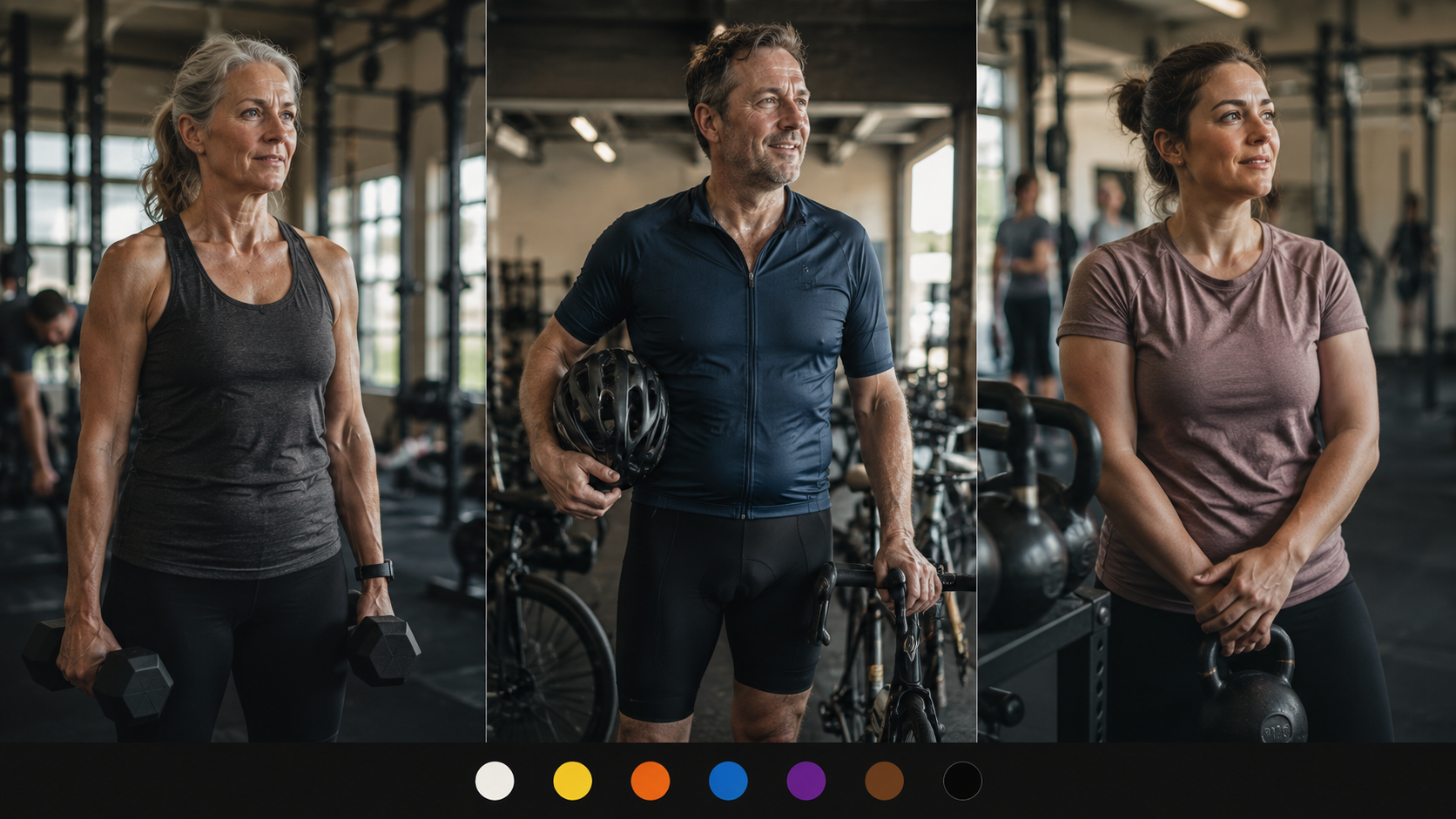
Generic gyms are dying. "Workouts for anybody" doesn't work anymore. The gyms that win pick a specific audience and build everything around that avatar. Women over 50. Cyclists. Youth athletes. Executives. Postpartum women.
Pick a lane. Go deep. Get referrals. Simplify operations. Charge more. Retain longer.
The diagnosis is right. The prescription is right. I'm not here to argue with either.
I'm here to add the piece that's missing from the conversation.
Inside Every Niche Is a Spectrum
Here's what most gym owners miss when they try to niche.
You decide to serve women over 50. Great call. Now inside that niche you've got the woman who just had a knee replacement and the woman who's been lifting for twenty years. Same demographic. Completely different training needs.
You pick cyclists. Inside that niche you've got the weekend rider who wants to finish a century without getting hurt and the Cat 2 racer trying to hold 300 watts up a climb. Same niche. Completely different training needs.
Niching gives you clarity on who. It doesn't solve the problem of what to do with them.
That's the piece missing from the niche conversation. And it's the piece that determines whether niching actually works.
A Niche Without Levels Is Still Generic
Here's what happens when a gym niches down without building an individualization system underneath.
They pick the audience. They rewrite the website. They run ads to that avatar. They put the right photos on Instagram. The front door gets narrower and the marketing gets sharper.
Then they deliver the exact same one-size-fits-all experience they were delivering before. Three scaling options. A system that asks coaches to guess. The woman with the new knee and the woman with twenty years of lifting doing the same workout, scaled roughly.
A niche without levels is still generic. It's just generic for a smaller group.
The retention problem doesn't disappear. It follows you into the niche. You just have fewer people to lose.
Broad Isn't the Problem. Generic Is.
So far this reads like an argument for niching. It isn't. It's an argument for individualization. Those aren't the same thing.
Go back to "workouts for anybody." The niche crowd is right that it's dying. But be precise about which word fails. It's not "anybody." A broad, inclusive gym is not the problem. All ages, all levels, everyone welcome. The problem is the unspoken singular: a workout. One session, written once, broadcast to a room full of different bodies.
Narrowing the room doesn't fix that. You can niche all the way down to "postpartum women in their first year" and still hand every one of them the same workout. Smaller room. Same generic.
The reverse holds too. A wide-open gym where every member gets a workout built for exactly where they stand is not generic. It's broad and individualized at once. That gym isn't dying. It's winning. It just got there by leveling, not by narrowing.
That's the quadrant the niche conversation forgets. Generic is a property of the workout, not the size of the audience. Niching changes who walks in the door. Leveling changes what they get when they do. Only one of those fixes what's actually killing gyms.
Every Niche Needs a MAP
Your MAP defines your world.
When you build a Custom MAP, you decide which of the Four Worlds you're weighted toward. Function. Performance. Longevity. Aesthetic. Most gyms blend them. Some go heavy on one. That weighting is what makes your gym yours, and it's where niching actually lives.
If you're serving cyclists, you're probably weighted toward Performance and Function. Aerobic base, threshold power, hill climbing capacity, single-leg strength, hip mobility. That's your world. Those are the categories that define whether a cyclist is getting better.
If you're serving women over 50, the weighting shifts toward Longevity and Function. Bone density work, balance, hip hinge mechanics, grip strength, carrying capacity, recovery quality. Different world. Different categories. Same structure underneath.
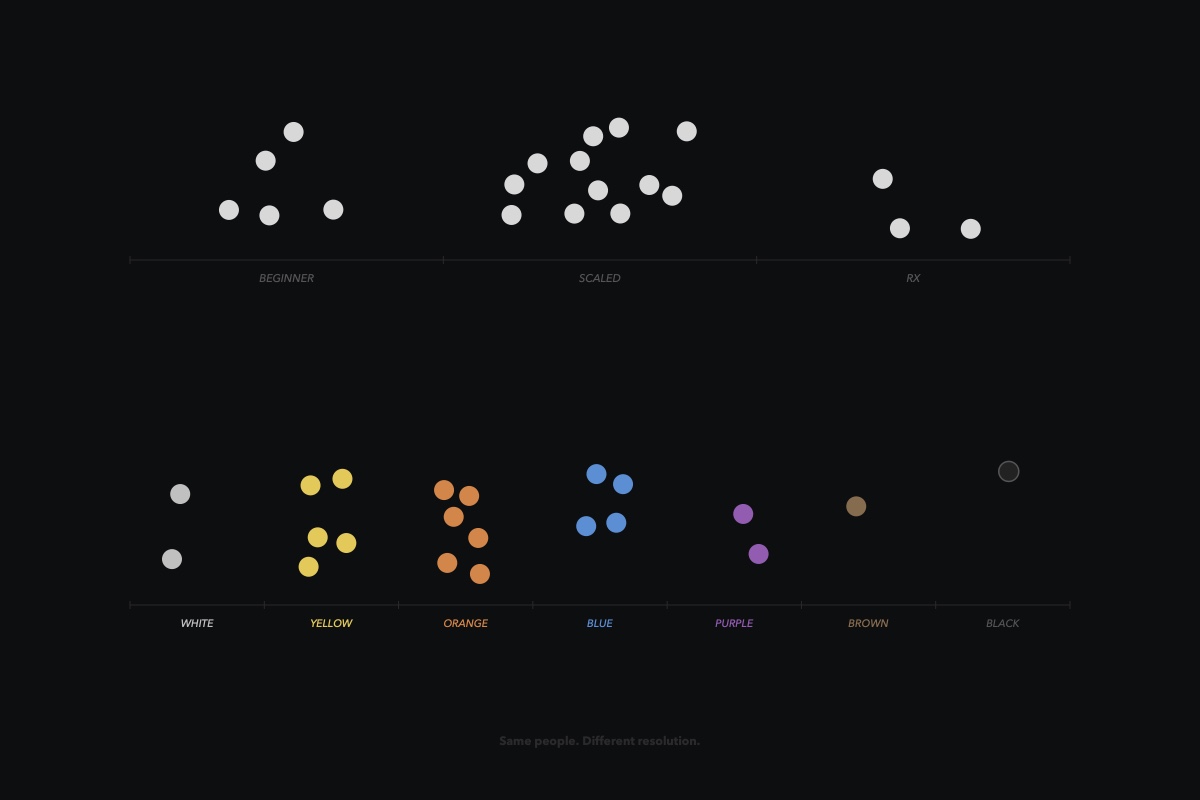
You pick the weighting. You pick the categories. You define the world. Then every member in that niche lands somewhere specific inside it. Not "beginner, intermediate, advanced." Not "Rx or scaled." 7 levels across every category you chose.
That's what Custom MAPs are for.
This Is How You Actually Deliver on the Niche Promise
The gyms with long retention aren't the ones that picked a demographic and ran ads. They're the ones that built a complete world for their people. Programming that fits. Coaches who speak the language. Measurement that tracks what matters. Community built around shared identity and shared progress.
A Custom MAP is the operating system for that world.
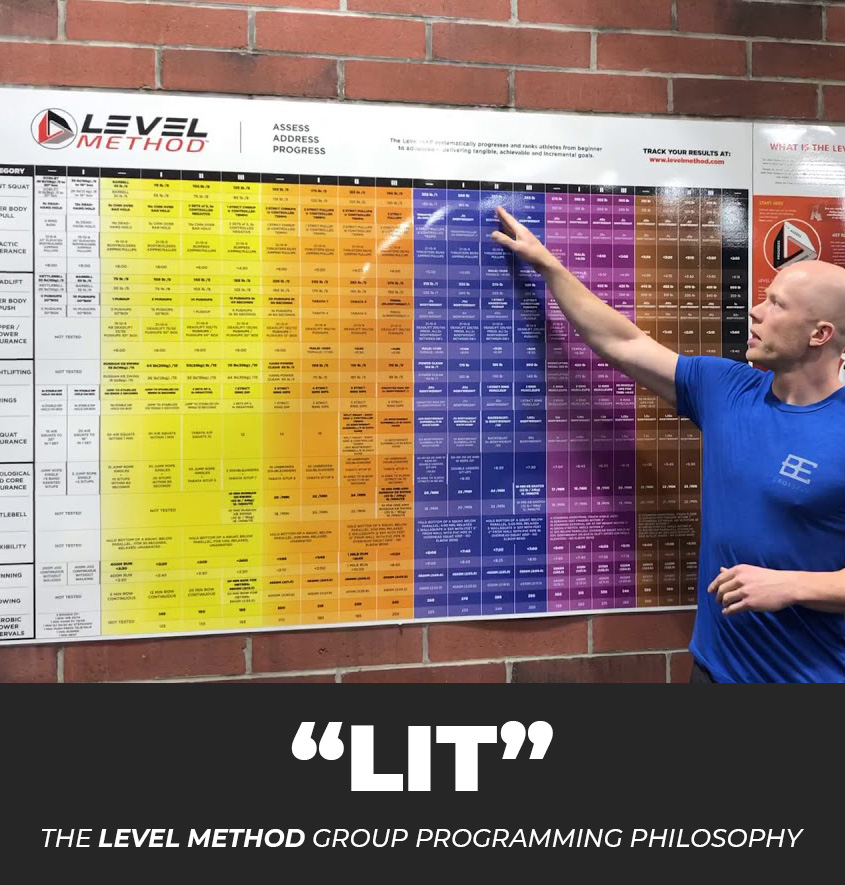
It lets the gym owner say: these are the categories we care about, these are the levels inside each one, and here's exactly where every member stands. Every workout has 7 versions. Every member gets the one that fits. The new member sees her starting point. The veteran sees her ceiling and her next step.
That's where the tribal marketing connection actually comes from. Not the logo. Not the ad copy. The delivery system. The fact that every member can look at the MAP and see themselves inside it.
Where the Argument Is Right
Let's be clear about what the niche-down argument gets right, because it's a lot.
Generic is dead. One program for every member, three scaling options for every body, coaches filling in the gaps. No individualization at the programming level or the scaling level. That model is losing. No argument.
Niching clarifies marketing. "We do this for this person" beats "we help anyone get fit." Clarity wins. Also no argument.
Retention beats acquisition. Hold members longer, spend less on marketing, make more per member. True whether your gym is niched or wide.
Operations get simpler when you focus. When you know exactly who you serve and how you serve them, the decisions get easier.
All of that is right. The piece I'm adding is what happens after you pick the niche. The delivery system has to match the promise.
The Real Play
Pick your niche. The argument is right.
Then build the world for it. Weight your MAP toward the Worlds that match your people. Define the categories that matter. Run your programming through 7 levels so every member in your niche gets a workout built for exactly where they are. Hyrox gym? Build a Hyrox-weighted world. Masters-focused? Build a Longevity-weighted world. Strength-focused? Build a Performance-weighted world. Same system underneath. Completely different experience on top.
That's how you take "the future is niche" and turn it into a business that actually delivers on it.
And if your niche is broad, this still holds. The all-levels, everyone-welcome kind of gym. You don't have to narrow your door to escape generic. You have to individualize what's behind it. A wide-tent gym where every member is leveled isn't generic. It's the broad niche, done right. The universal MAP was built for exactly that gym.
The gyms that win the next decade won't just be the ones that picked the narrowest possible audience. They'll be the ones that built a world for their people, defined what matters in that world, and gave every member a specific place inside it with a clear path forward.
Every niche needs a MAP. That's the piece.
Custom MAPs let gym owners define their own fitness categories and run every member through 7 levels in each one. Built on 1.8 million data points from 1,000+ gyms over 10 years. See how it works →
FAQ
Should I niche my gym? Probably yes. The niche argument is solid: generic is dying, clarity wins, specialized gyms retain longer. But picking a niche is step one. Step two is building the delivery system that actually serves that niche. Without that, you've narrowed the front door without fixing what happens inside the building.
What's a Custom MAP? A Custom MAP is a gym-specific fitness assessment built around the categories that matter for that gym's people. Instead of one universal MAP, the gym owner defines the world. Cyclists get categories that matter to cyclists. Masters athletes get categories that matter to them. Same 7-level structure underneath, completely different content.
How does 7-level programming work inside a niche? Every workout comes in 7 versions, built on 1.8 million data points across 1,000+ gyms. Inside a niche, that means the new member and the experienced member do the same workout structure at completely different scaling. Both get the right stimulus. Both see themselves in the system.
Can I use Level Method if I run a specialized program, not CrossFit? Yes. Level Method is an individualization system, not a training method. It works with any training methodology. The scaling engine and Custom MAP framework adapt to whatever world you're building.
What's the difference between niching and individualizing? Niching answers "who do I serve." Individualizing answers "how do I deliver to each person inside that group." Niching without individualizing is just marketing to a smaller audience. Still generic. Individualizing without niching genuinely works: a broad gym where every member is leveled is not generic. Many gyms do both. But if you only do one, do individualization. It's the half that fixes what's killing gyms.